
Pointe Ballet Class in Lanham, MD
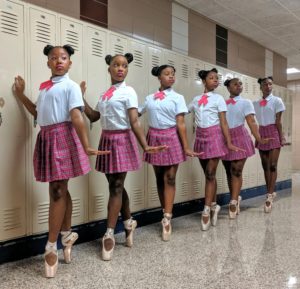
Dancing en pointe represents one of ballet’s most beautiful and challenging milestones. At Dance Makers in Lanham, MD, our pointe classes provide dedicated training for ballet students who are ready to progress to this advanced technique. With safety-focused instruction from our certified instructors and personalized attention, we help each dancer build the strength and confidence needed to stand on the tip of their toes.
What Is Pointe Dancing?
Pointe dancing is a ballet technique in which dancers perform on the tips of their toes, using specially designed shoes with reinforced toe boxes and supportive shanks. This introduction to pointe marks a significant transition in a dancer’s training, requiring exceptional ankle strength, body alignment, and technical precision. Unlike standard ballet shoes, pointe shoes are considerably harder and structured to support the dancer’s full body weight on a small platform.
The pointe technique builds upon years of classical ballet foundations, refining balance, turnout, and core control. At Dance Makers, we’ve seen how mastering this skill opens the door to iconic ballet steps and variations that define the art form, from delicate bourrées to powerful fouettés. Our instructors draw on decades of combined professional dance experience to guide students through this progression safely.
Are You Ready for Pointe?
Readiness for pointe depends on technical proficiency, physical development, and consistent training rather than age alone. Most dancers begin a pre-pointe course after several years of regular ballet classes, typically around ages 11-13, though individual readiness varies significantly. Our instructors personally evaluate each student’s ankle strength, core stability, proper alignment, and mastery of the basics of pointe preparation before approving them for pointe work.
Students should demonstrate consistent technique across ballet exercises, maintain proper turnout without forcing, and show adequate foot and ankle articulation. We conduct solo assessments to observe how each dancer executes foundational movements and handles the physical demands of pre-pointe exercises. This individualized approach ensures each dancer can safely gain strength and progress without risking injury.
“My daughter has attended Dance Makers for almost 10 years and the sisterhood, technique and opportunity she has received since being there is amazing. This studio is exceptional in pushing our girls to present their very best while offering them dance skills, social skills and life lessons that they will carry with them always.” – Angela G.
How Pointe Classes Work at Dance Makers
Our pointe classes follow a carefully structured progression that builds strength while maintaining proper technique. Each 60-minute session begins with thorough warm-ups, followed by barre exercises specifically tailored for pointe work, and concludes with center combinations and across-the-floor sequences. Our instructors provide individual corrections throughout class, watching for proper weight placement, alignment, and safe execution of each movement.
Students work at the barre practicing controlled relevés, échappés, and foot articulation exercises that develop the precise alignment needed for pointe technique. Center work introduces balances, turns, and traveling steps on pointe, always emphasizing controlled transitions and musical awareness. Dancers progress gradually from simple sous-sus and échappés to more complex combinations, building confidence and stamina under close supervision.
Selecting and Preparing Pointe Shoes
Finding the right pair of pointe shoes requires professional fitting from specialists who understand foot structure and training level. We provide families with referrals to experienced fitters in the Prince George’s County area who can match shoes to each dancer’s unique needs. The proper fit accommodates foot shape, arch height, and current strength level—shoes that are too soft or too hard can compromise alignment and increase injury risk.
After purchase, dancers must securely sew ribbons and elastics. Our instructors demonstrate correct placement during class and check each student’s work before allowing them to dance on pointe. Breaking in pointe shoes should be gradual—gentle flexing and careful molding preserve the shoe’s structural integrity.
Strength Development and Injury Prevention
We teach dancers specific conditioning exercises to perform at home between classes. Daily theraband exercises, towel scrunches, and controlled relevés strengthen intrinsic foot muscles and ankle stability. Students experiencing persistent pain should consult a healthcare provider specializing in dance medicine, as proper medical evaluation is beyond our scope as dance instructors.
“My daughter has been attending Dance Makers for a little over 4 years. It has been a pleasure working with the administrators, staff and dance instructors. Dance Makers has given my daughter the opportunity and confidence she needed with dancing and WE THANK THEM FOR THAT.” – Michelle S.
Enroll in a Pointe Class
At Dance Makers, our instructors bring professional dance backgrounds and ongoing training in safe teaching methodologies to every pointe class. Ready to begin your pointe journey? If your child already has ballet experience at another dance school, contact Dance Makers today to schedule an assessment for our pointe program in Lanham, MD. For dancers just beginning their ballet training, we invite you to explore our foundational ballet classes, where students build the essential technique and strength to prepare them for pointe work.
FAQs About Pointe Class
What is the best age to start pointe?
Most dancers begin pointe training between the ages of 11-13, but readiness depends more on technical proficiency and physical development than age. Dancers need adequate bone maturity, ankle strength, and consistent ballet training before starting pointe work safely.
How many ballet classes per week should I take before enrolling in pointe?
We require students to take at least three ballet classes weekly for a minimum of two to three years before beginning pointe. Consistent training builds the foundational strength and technique necessary for safe progression.
Do pointe shoes hurt?
Properly fitted pointe shoes with adequate padding should not cause sharp pain. Some initial discomfort is normal as feet adapt, but persistent pain signals improper fit, technique issues, or insufficient preparation. Dancers should report any discomfort to their instructor immediately.
Can beginners go straight to pointe?
No. Beginning pointe requires years of ballet foundation to develop proper alignment, strength, and technique. At Dance Makers, we do not permit students to skip this preparatory work, as rushing into pointe significantly increases injury risk.